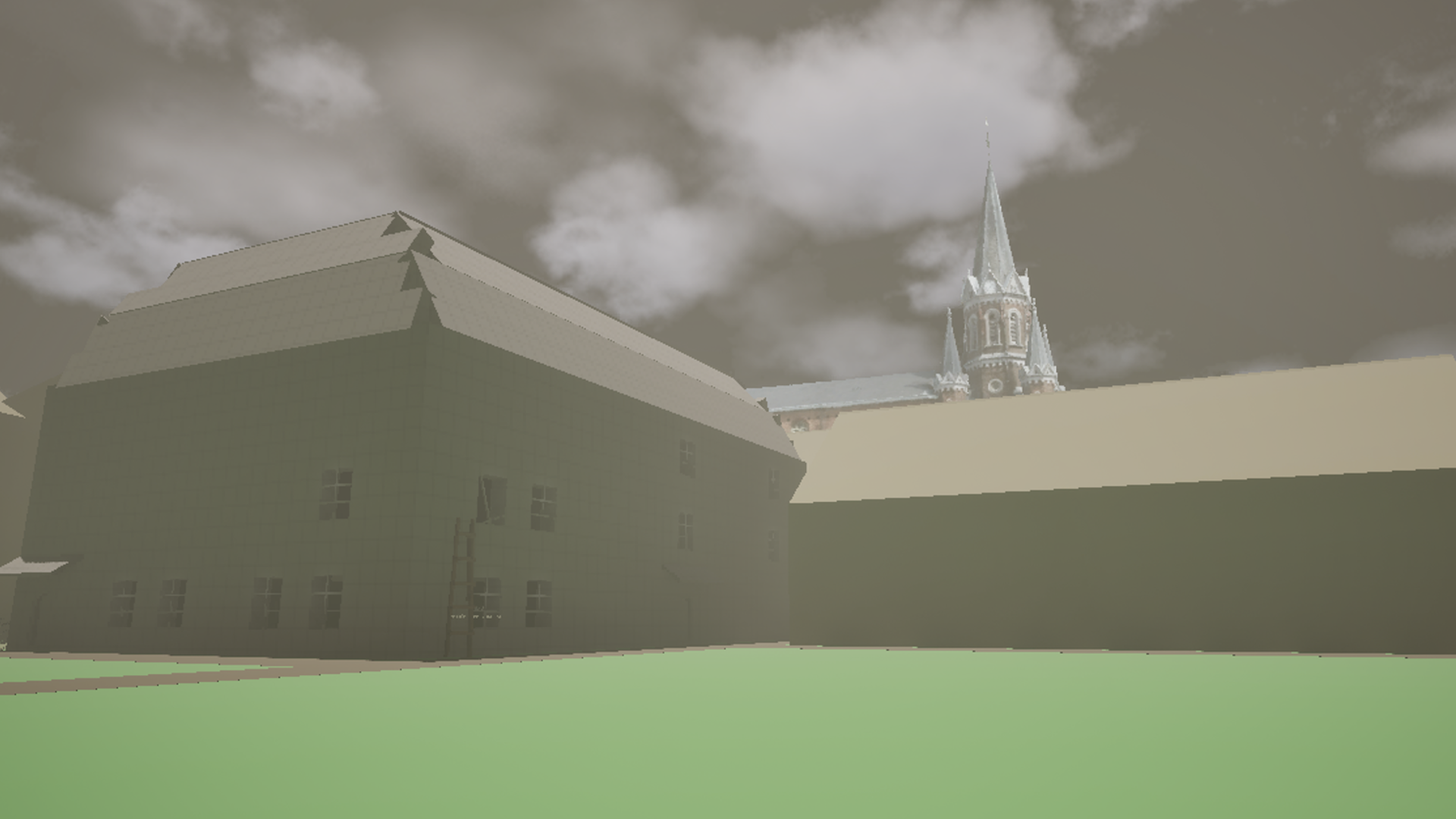
Project Dresden

The Game Pitch

Project Dresden is a first-person, historical, narrative, role-playing game where you play as a young doctor stuck in a quarantined part of Dresden during a cholera outbreak. The project takes inspiration from a number of pieces of media:

  • Pentiment: This was the first historical narrative game I played that really struck a chord for me. Pentiment is the driving force behind this project.
  • Pathologic 2/The Outer Worlds 2: Both of these games entwine immersive sim elements with linear RPG beats. This is a great way to pull the player in and get them invested in the well being of both NPCs and their own character.
  • The Plague: Albert Camus’ The Plague shows the city of Oran dealing with an outbreak through an existential lens . This same lens can be used to inspect a different time and place and the absurd suffering in it.
  • Do the Right Thing: Similar to The Procession to Calvary inspiring Josh Sawyer to show a wide cast in Pentiment, Do the Right Thing, serves as an inspiration for a living breathing city with many lives and stories playing out inside it.
Table of Contents

Quest Design

First Draft in Twine

I used Twine as a prototyping tool for the quest, allowing me to approximate the experience of playing it and enabling me to share it with friends and peers for feedback. You can check out the prototype here!

The prototype required a lot of variable management and some light coding to get things working. In total, the prototype supports:

  • A Trait system for extra choices and paths (Agile, Perceptive, and Natural Leader).
  • A reactive quest journal to help guide the player.
  • Multiple endings depending on player choice.
  • A Persuasion system based on Positive and Negative choices the player makes.
  • A temporary Minimap to help with prototype testing.
  • Placeholder Combat, Healing, and Item Pickup mechanic simulations.
Concepting
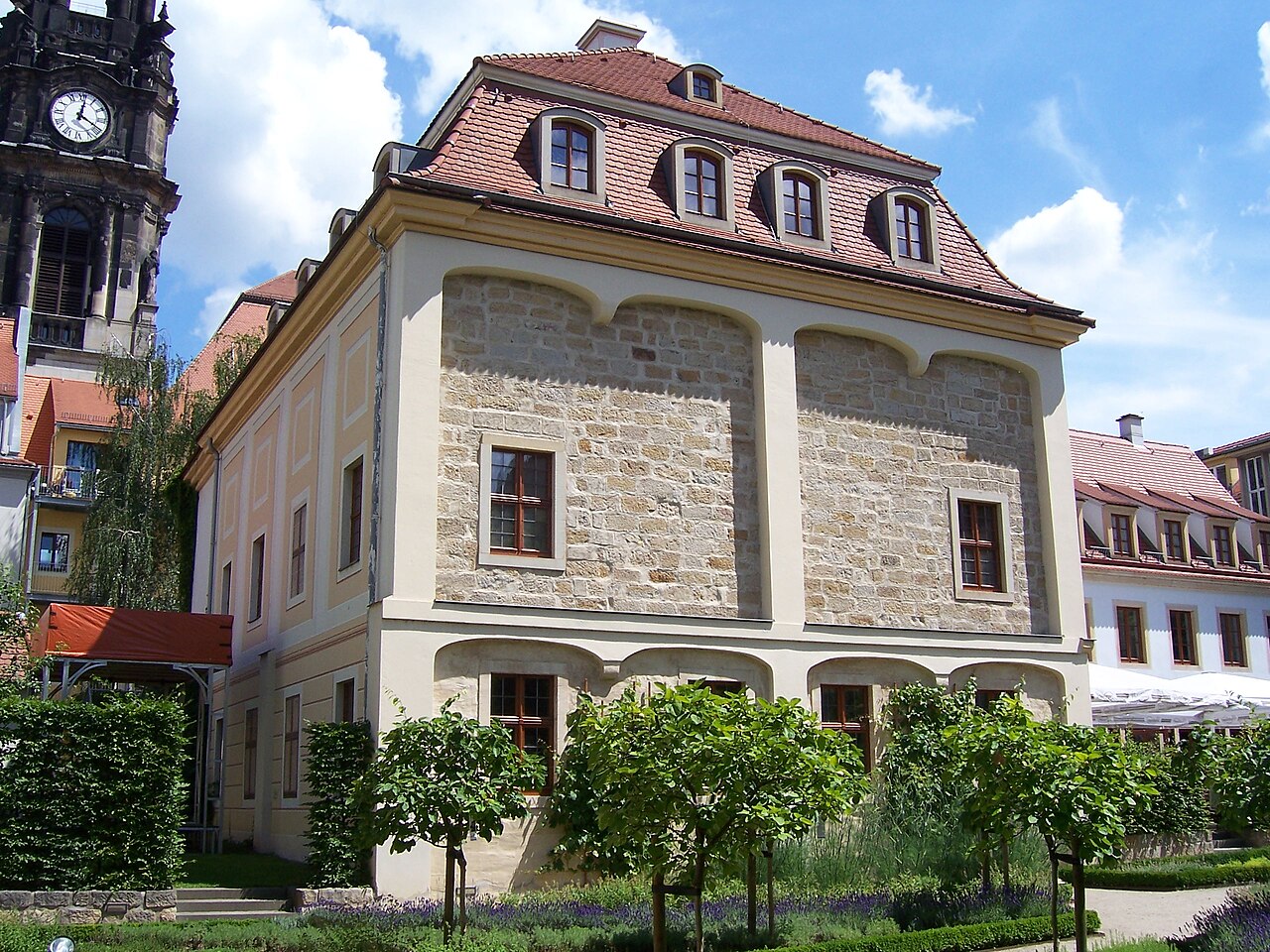
The Societaetstheater in Dresden. This is the building the quest takes place in.
The Societätstheater in Dresden. This is the building the quest takes place in.
I reached out to the theater for questions during this project.

The original idea for a game set in late 19th century Germany came from the Revolutions Podcast when they discussed the turmoil throughout Europe in the post-napoleonic age. This topic really excited me as it felt like an age of history that was relatively untapped by media. Exploring the formation of nationalism, alongside the struggles of living through a plague felt incredibly relevant in the modern day.

Before working on the quest I also wanted to clearly establish what kind of player fantasies the game would support. The game would be about choice, so I wanted to support the player’s freedom of playing how they wanted.

That freedom includes moral freedom, anywhere from being a devil to a perfect saint, as well as mechanical freedom.

For mechanics, the game would have 4 main methods that the player could use to interact with the world.

  1. Exploration
  2. Conversation
  3. Combat
  4. Healing
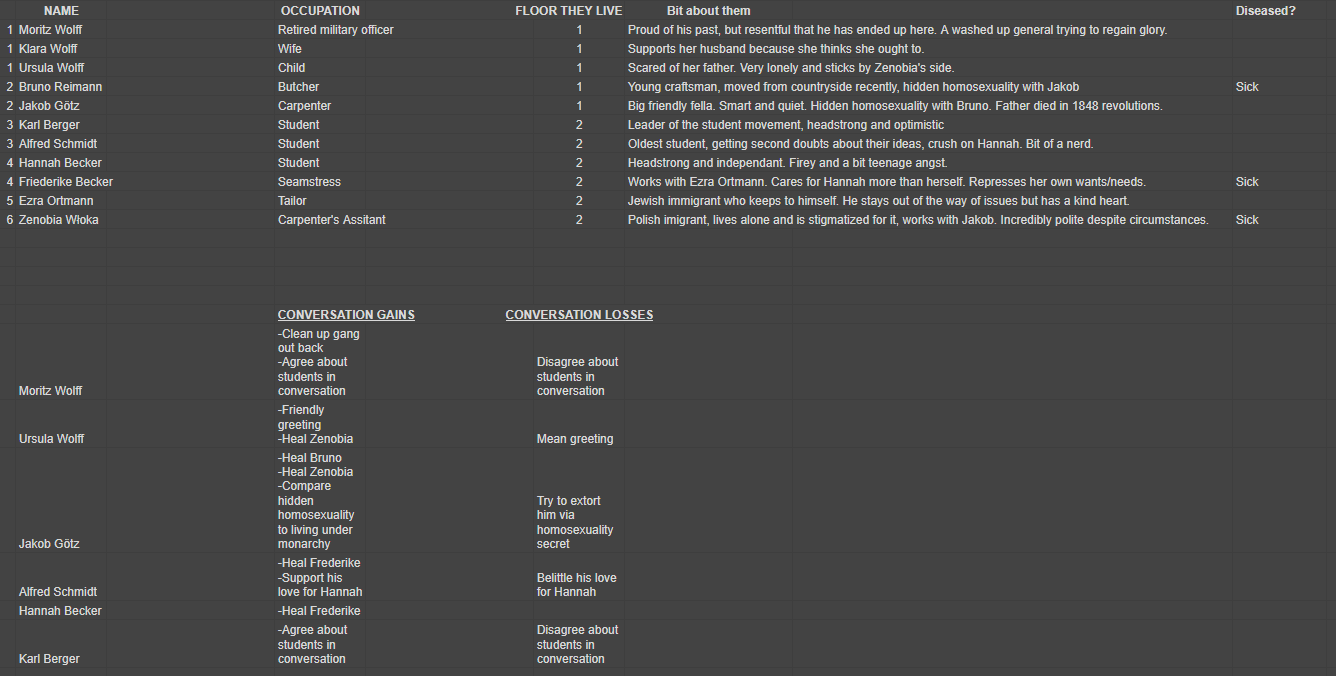
A screenshot of my NPCs spreadsheet.

After establishing the set of tools I could play with, I began working on the quest by establishing my set of characters I could play with. I made a relatively simple spreadsheet where I could store all sorts of information.

This section of development is where the pieces started clicking. For example, as soon as I realized my young Polish woman Zenobia felt alone, just like Ursula, I knew I had to put them together. This same experience followed with connecting all the different NPCs and understanding how they would relate to each other.

Planning in Miro
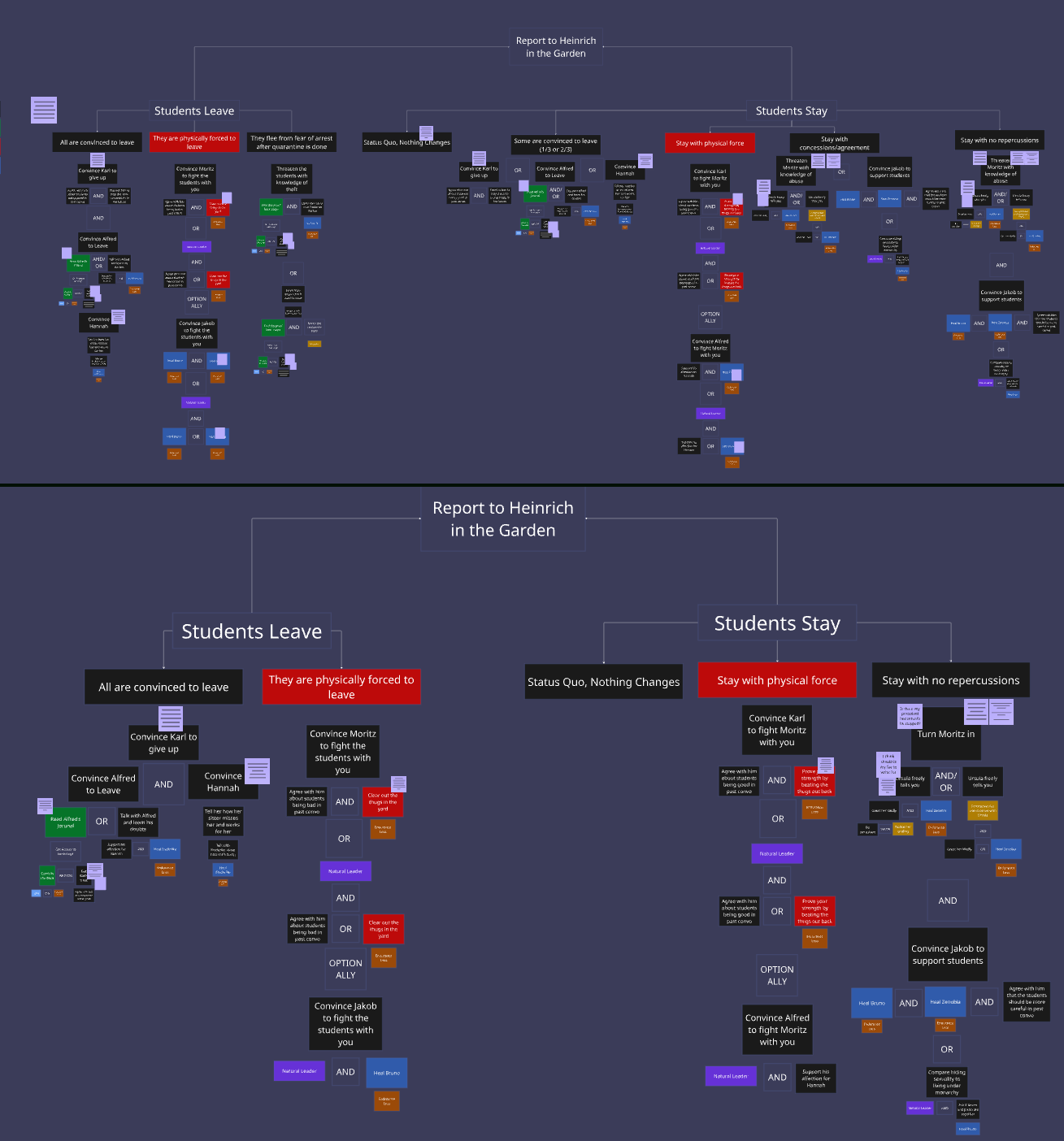
A screenshot of my very large first draft on top and my much cleaner final draft on the bottom.

In Miro I layed out the entire quest with lots of sticky notes and boxes. I color coded everything so I could more easily sort through the noise. As I worked on it, and as I talked to a few mentors, I realized I was quite overscoped.

This made me really glad that I planned it out, as it enabled me to catch my scope creep before I started writing.

At this stage I also started planning some persuasion routes and skill checks in conversations. The persuasion system I used was largely inspired by Pentiment’s and the skill checks were inspired by The Outer Worlds 2’s.

Besides helping me organize my thoughts, working on Miro also allowed me to share my ideas with a number of friends and classmates who took an interest in this project. I’ll talk about it more in the Retrospective & Future Plans section, but writing clear and concise documentation was a huge boon for onboarding collaborators.

Level Design

Reference Gathering
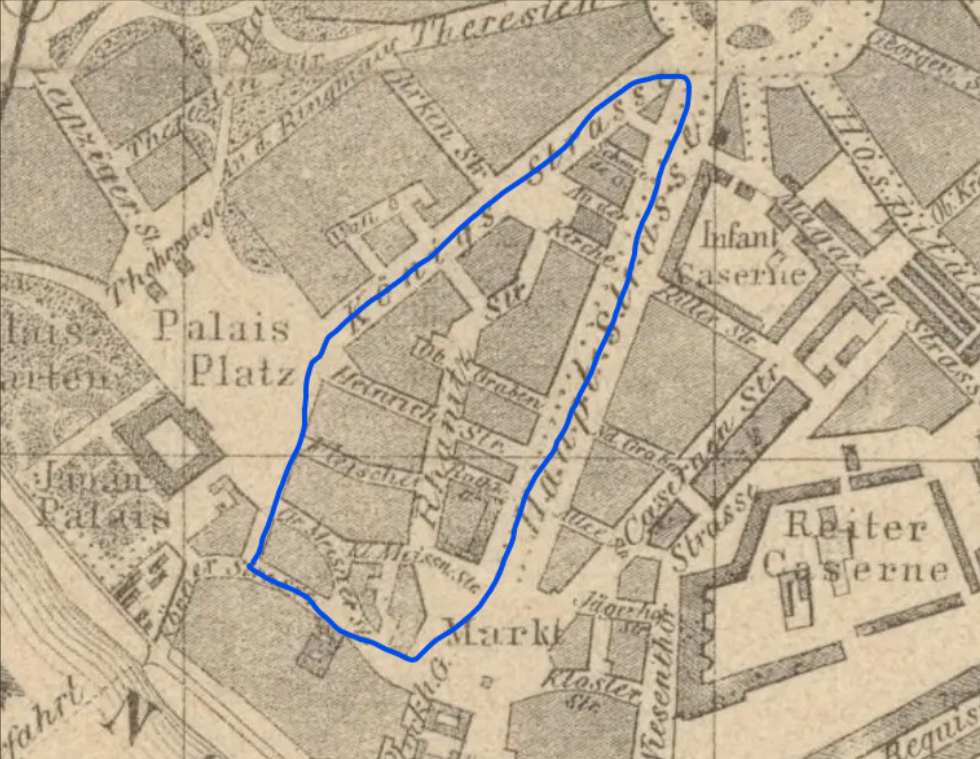
1842 "Plan von Dresden" by Alfred Meysel. Circled is the neighborhood the game takes place in.
An 1842 map of Dresden. Circled is the neighborhood the game takes place in.
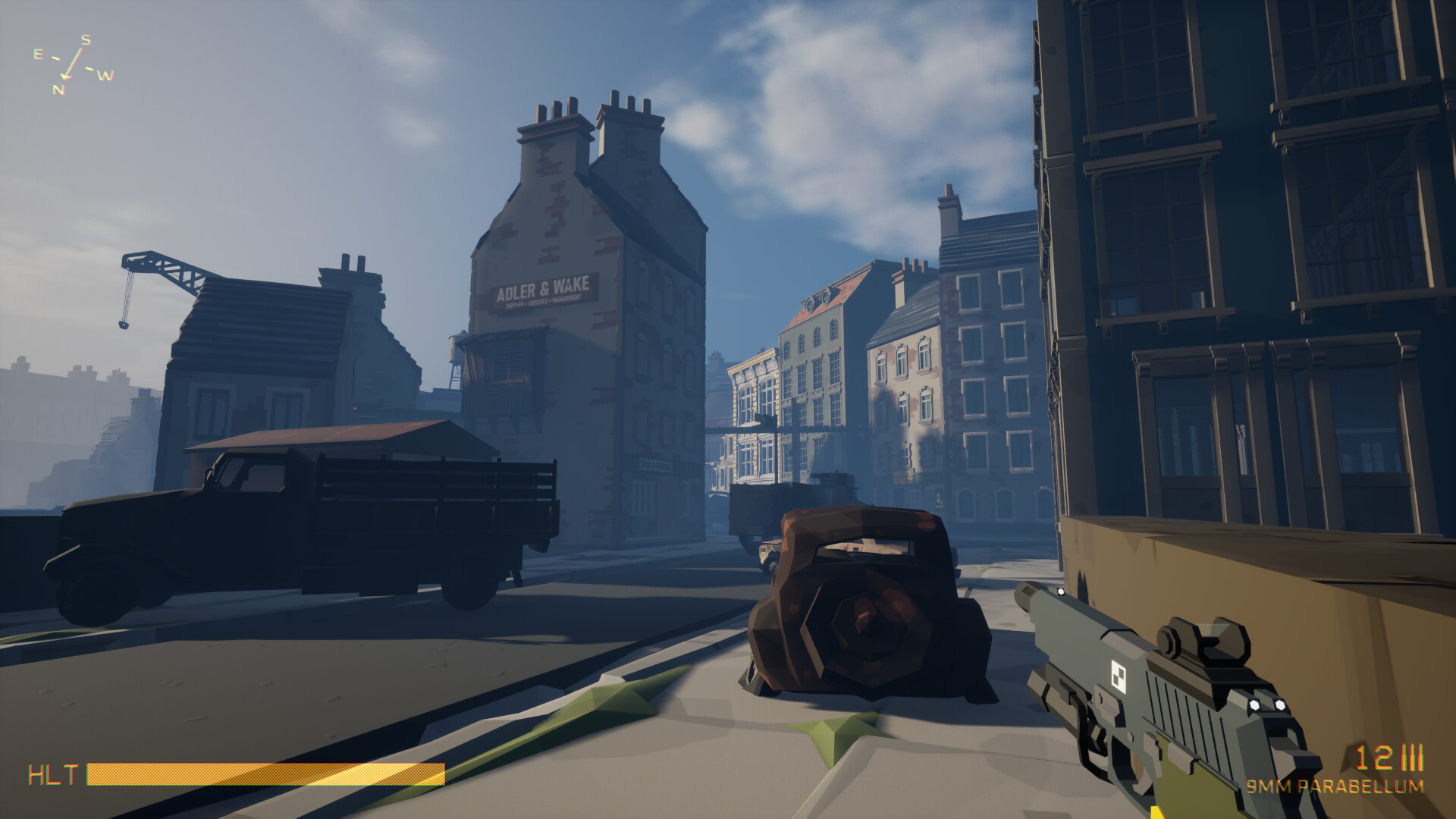
A screenshot of Metropol from Project Silverfish.

For this level I spent a lot of time looking at the real life inspiration and setting, the Societätstheater. However, it was clear that both out of lack of available resources and because I was making a game and not a documentary, I had to take plenty of liberties.

While I couldn’t stay perfectly 1-to-1 acurate with history, it was still very important to maintain a coherent and consistent thread to those historical sources. I found that a great way to maintain this tone was using the system Jolie Menzel outlined in her talk Level Design Workshop: A Narrative Approach to Level Design. In it she explains an approach of turning a non-game IP into mechanics, pacing, and tone. This helped me a lot when thinking about how I wanted to recreate The Plague.

I also used a number of games as reference for the level. Primarily, Dishonored and Project Silverfish served as my inspiration when it came to the feeling of the spaces. Both of these games were able to employ claustrophobic yet expansive cities that I wanted to emulate in this level.

2D Map
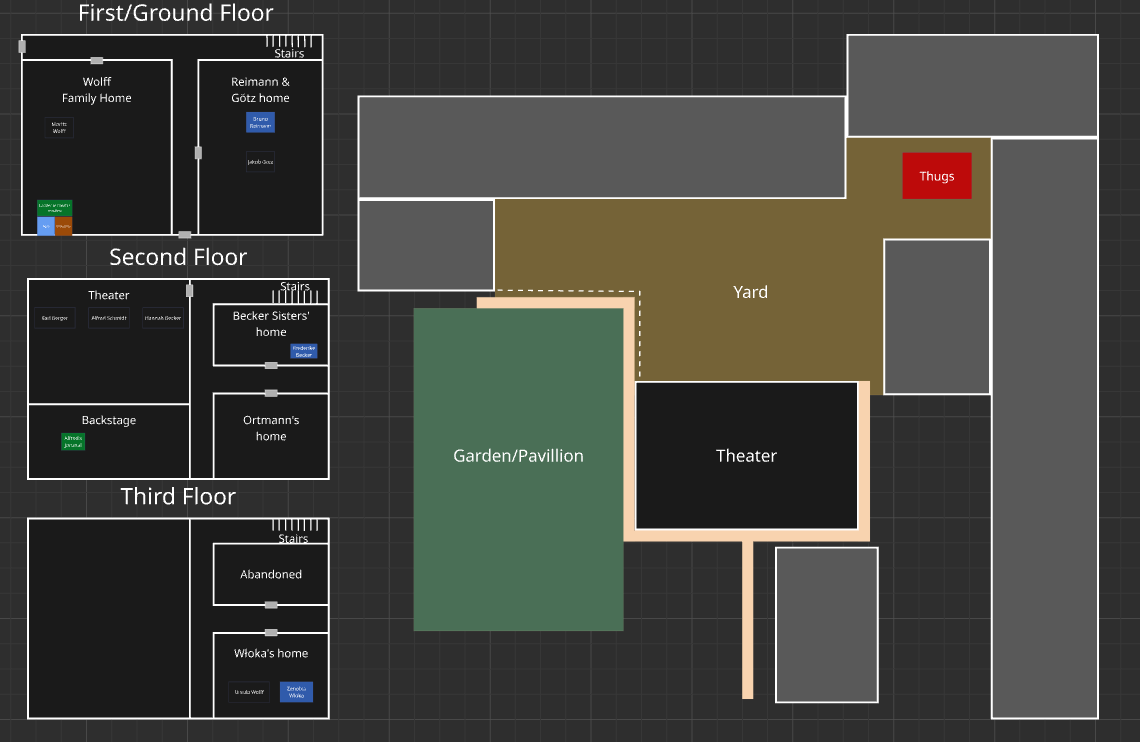
The 2D map of the theater and surronding area.

In an early concept the theater had 4 floors and a more expansive cast of characters. After swapping some characters out and changing apartment positioning, it was clear that a lot of that was bloated content and could be cut.

What I ended this stage with was 3 floors with 11 inhabitants. The atmosphere of the level would be a claustrophobic and run-down apartment complex. I also wanted the building itself to support the conflict of the quest, with the larger and wealthier inhabitants on the bottom vs the poorer inhabitants towards the top, and the students in between.

Greyboxing
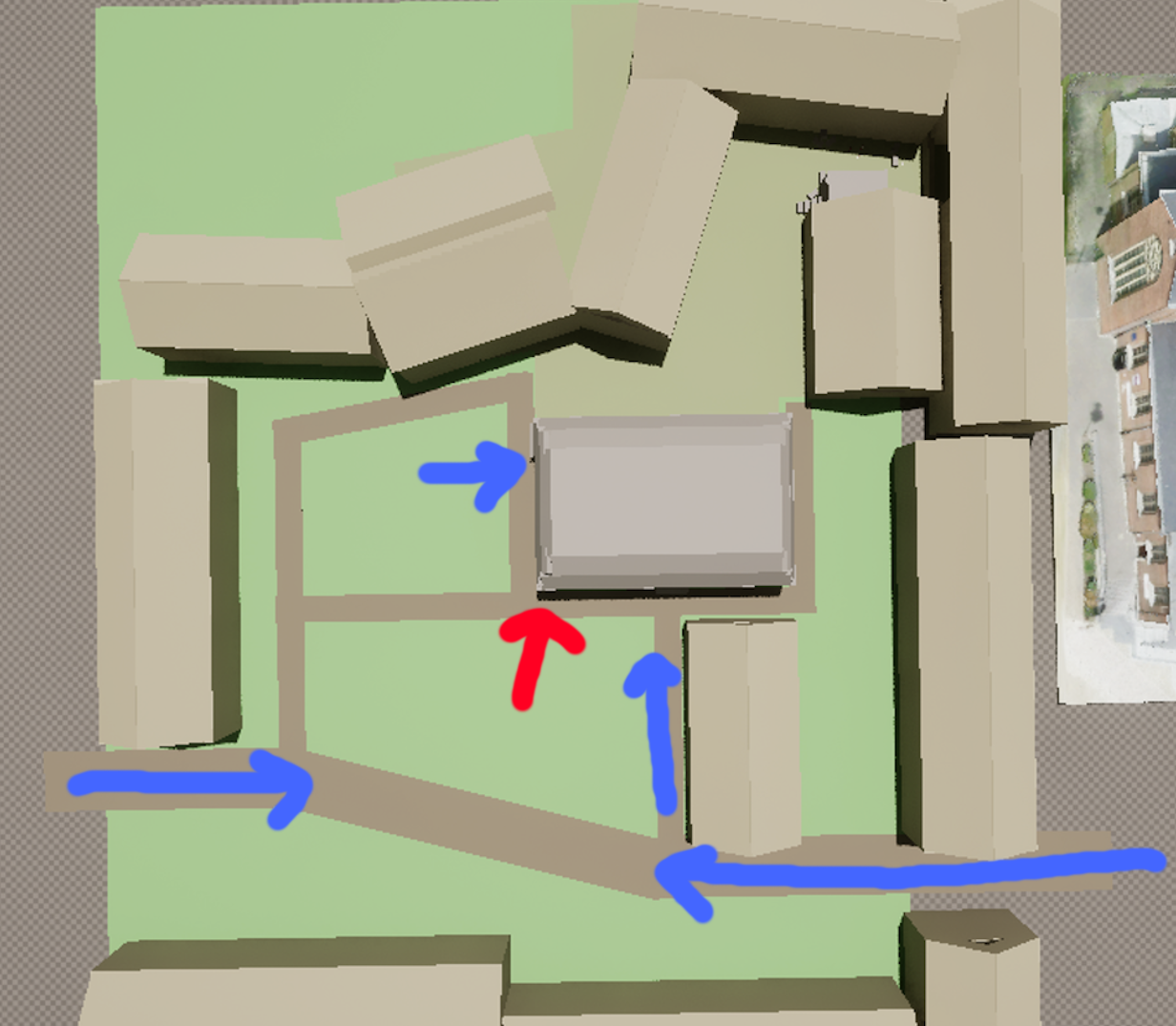
The Theater can be approached from 2 different directions. It has a separate entrance for each. There is also a ladder for characters with the Agile perk for access into the Backstage area.
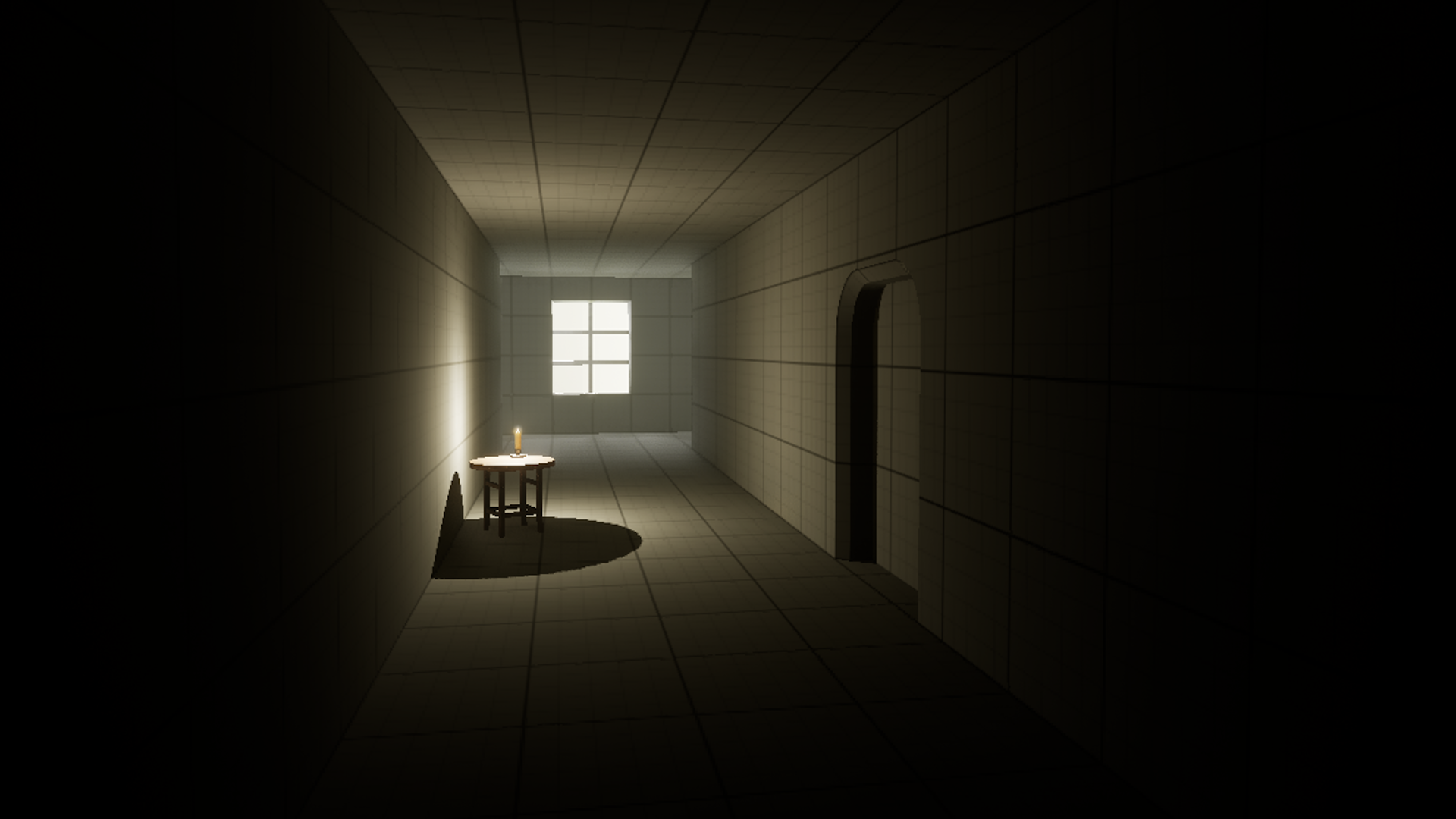
Here’s the central downstairs hallway. It’s cramped and poorly lit.
A beauty corner of Zenobia’s room, where she’s being nursed by the young Ursula.
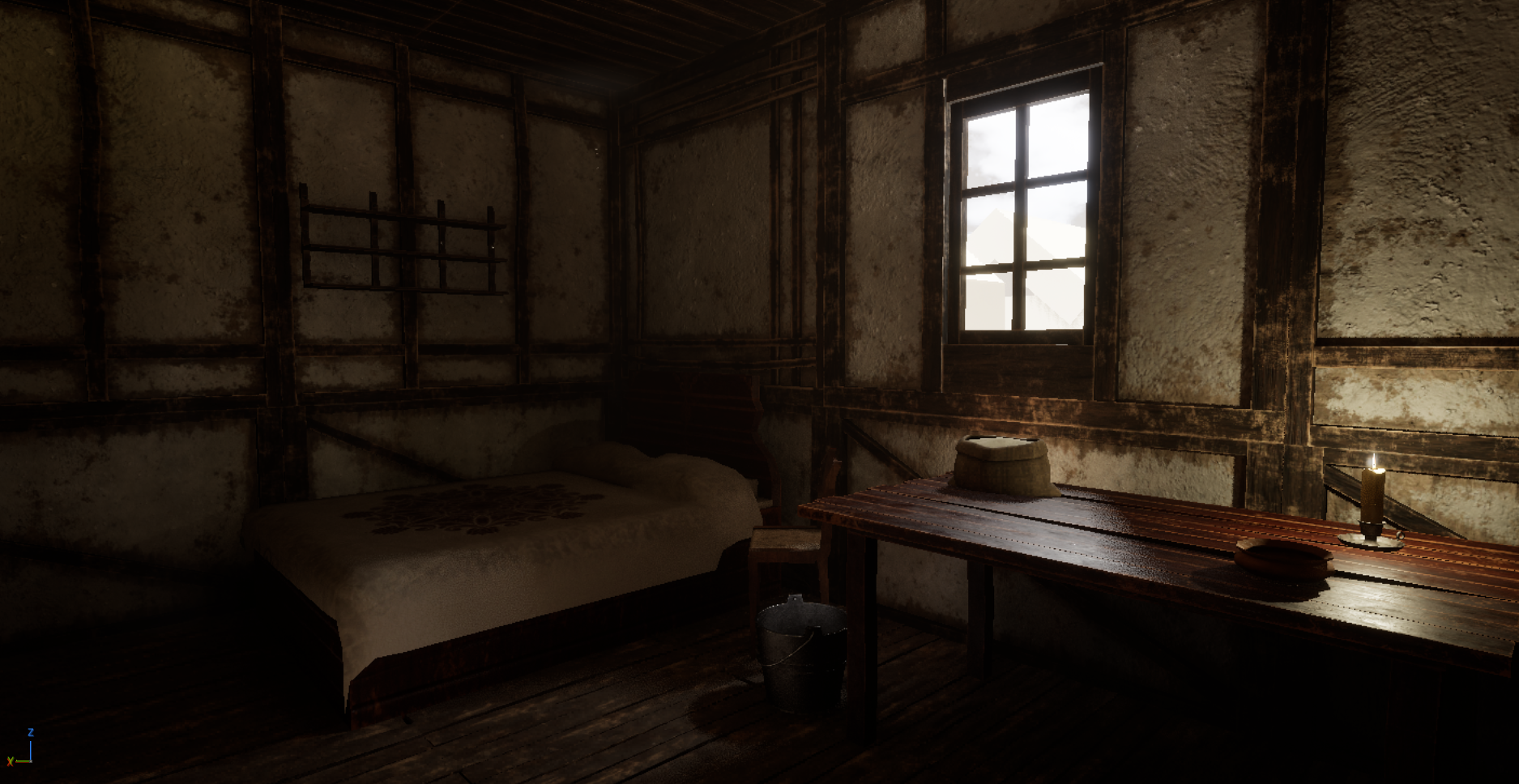
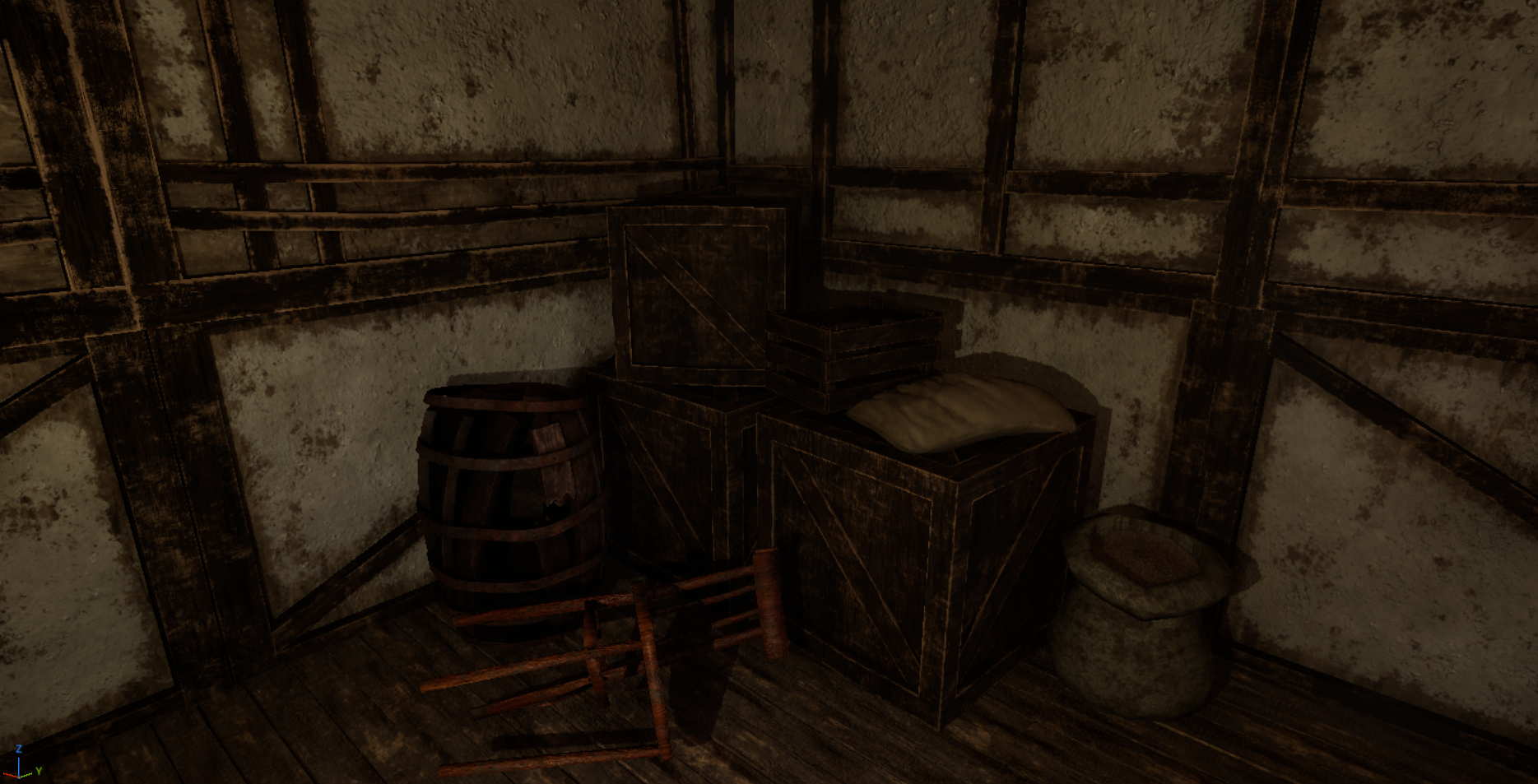
Another beauty corner trying to get the vibe right for the abandoned and poorer sections of the apartment.
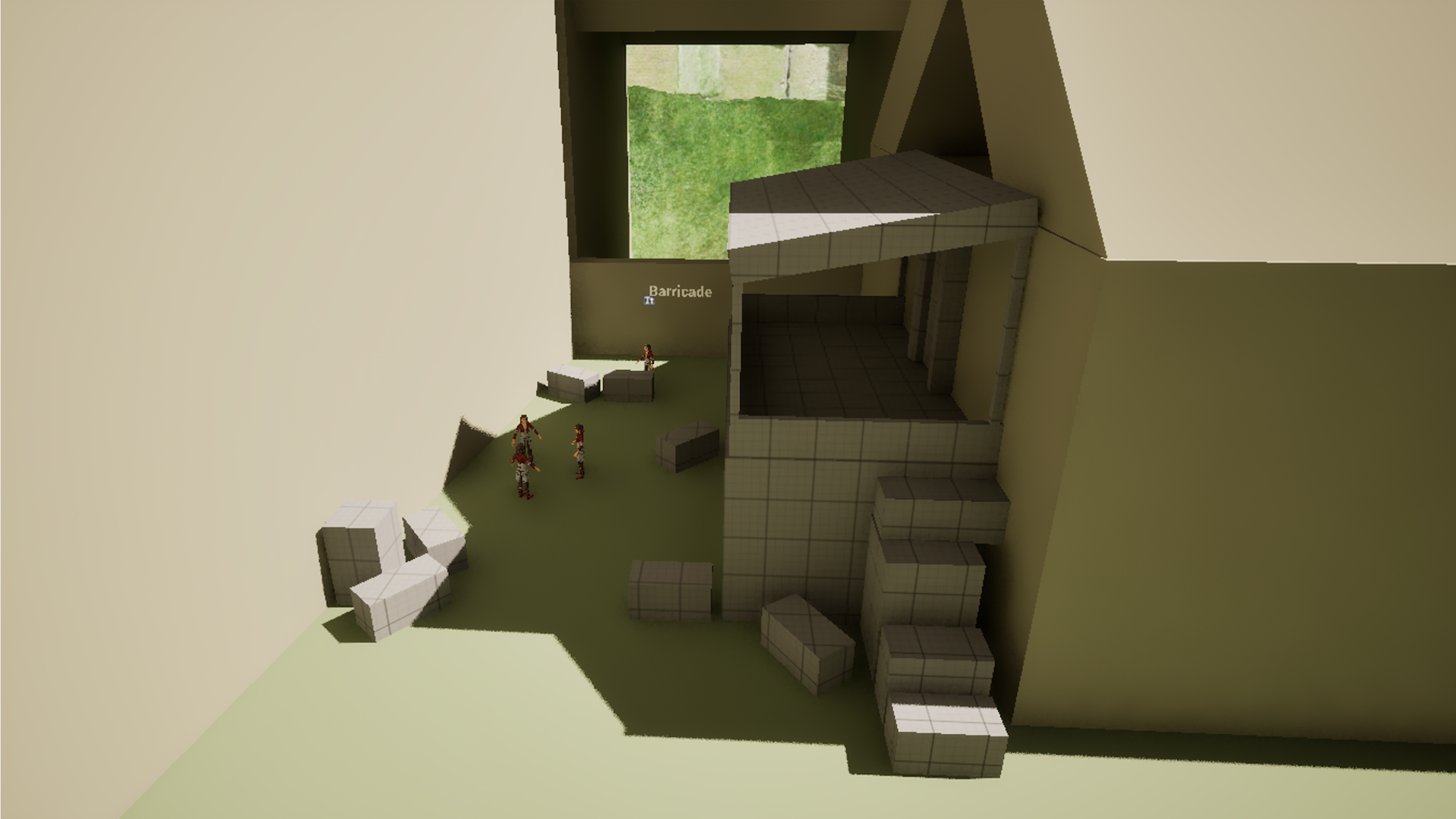
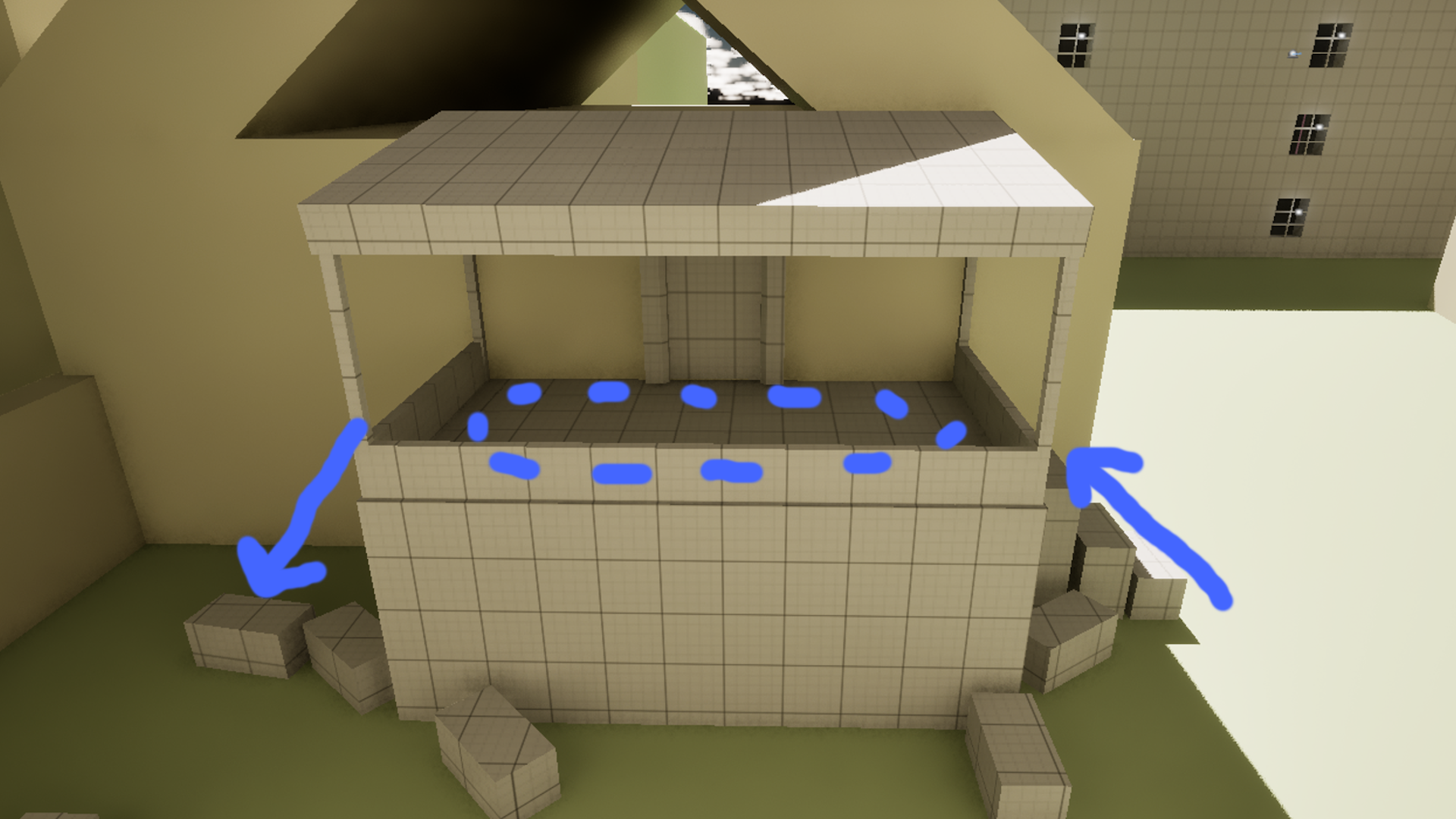
Here’s the back yard area where a number of thugs have set up in an alleyway.
The player is able to sneak past the thugs through a bit of climbing.
The historic Dreikönigskirche church serves as a great landmark for player reference during navigation.
 

Retrospective & Future Plans

Quest Retrospective

What went wrong?

  • I struggled with balancing trait usage. I found so many different places to use the “Perceptive” trait but it was harder to incorporate the other traits. I think this stemmed from “Perceptive” being a broader concept than “Agile” or “Natural Leader” in the context of conversing with NPCs combined with the fact that most of the ways you solve the quest are through dialogue.
  • Some of the prerequisites for convincing NPCs feel a bit contrived and “game-y.” For example, healing Bruno helps you convince Jakob that the students should stay. Those two actions don’t feel related enough. I think the solution to this is spending more time brainstorming motivations for NPCs and how the player can utilize them.
  • I struggled with finding the right level of complexity for the quest. In particular the “convince students to leave” branch was originally much more complex as I supported partial success (i.e. only convincing some of the students to leave). After reigning the scope in and eliminating the partial success, the branch actually improved. The complexity hindered my ability to figure out what I was trying to do with the story.

What went well?

  • Mid-way through development I got the advice to “keep the irreducible complexity of the story low” from Andrew McIntosh. This was super helpful when it came to figuring out what to cut.
  • I got a lot of valuable feedback when I shared the Twine prototype. One of my friends mentioned wanting to pit both sides against each other and take a chaotic approach to the situation. This gameplay path wasn’t in my mind while I was designing the quest, but I absolutely love it and think adding it wouldn’t be too much work.
Level Retrospective

What went wrong?

  • Iterating on the level felt a bit awkward to do while missing or using placeholder gameplay systems. The iteration process felt like guess work compared to my experience in my Game Projects at school. In future projects I will definitely build testable systems before working on level.
  • The levels I’ve made before have been quite linear. This meant I didn’t feel comfortable planning out “beats” for a hub area like the theater. This issue was caused, in part, because none of my references were for hub areas. This was a huge oversight. My references helped me get the layout and vibes correct, but were not helpful in the pacing.
  • I found that I lacked the right language to describe an RPG level. Coming from my QA work on Apex Legends my vocabulary around levels was based in FPS battle royale. This comfort comes from years of working in the genre. After working on Project Dresden I can feel that same sense of comfort being built for RPGs.

What went well?

  • Originally I was worried that the lack of overlap between the two sides of the quest (e.g. you have no reason to go to the Backstage area if you’re trying to help the students stay) was problematic. However, on reflection I think limited unique areas are actually a strength. It adds replayability by only giving you half of the picture during a playthrough.
Future Plans

I am planning to continue working on and finish this quest for my capstone Graduation Project at Futuregames during the spring of 2026.

As I mentioned in my level retrospective, iterating without proper gameplay systems like Combat and Healing felt really weird so it’s a high priority to get those functioning before I tweak with the level more.

Once I have this mechanics properly built, I can start iterating on the level again, being able to test how the world interacts with the systems.

For the project I am also planning to work alongside a number of my classmates. Both an animation and a lighting/cinematic friend have shown interest in the project and are planning to work with me on it.

Credits/Special Thanks

A huge special thanks to:

  • Joe Fielder for specific feedback on this project as well as lots of more general narrative design advice. He specifically helped me with scope creep and figuring out a good format for stub text.
  • Martin Lovén for feedback on this project and being a reliable mentor to go to for advice.
  • Warner Scheibe for breaking down the key focuses of an RPG like The Outer Worlds 2 for me.
  • My friends and peers at Futuregames who gave feedback on this piece.

Connect

Jerramgrumcarr@gmail.com